RAG Explained for Beginners: Making Your Own Documents Searchable with an LLM
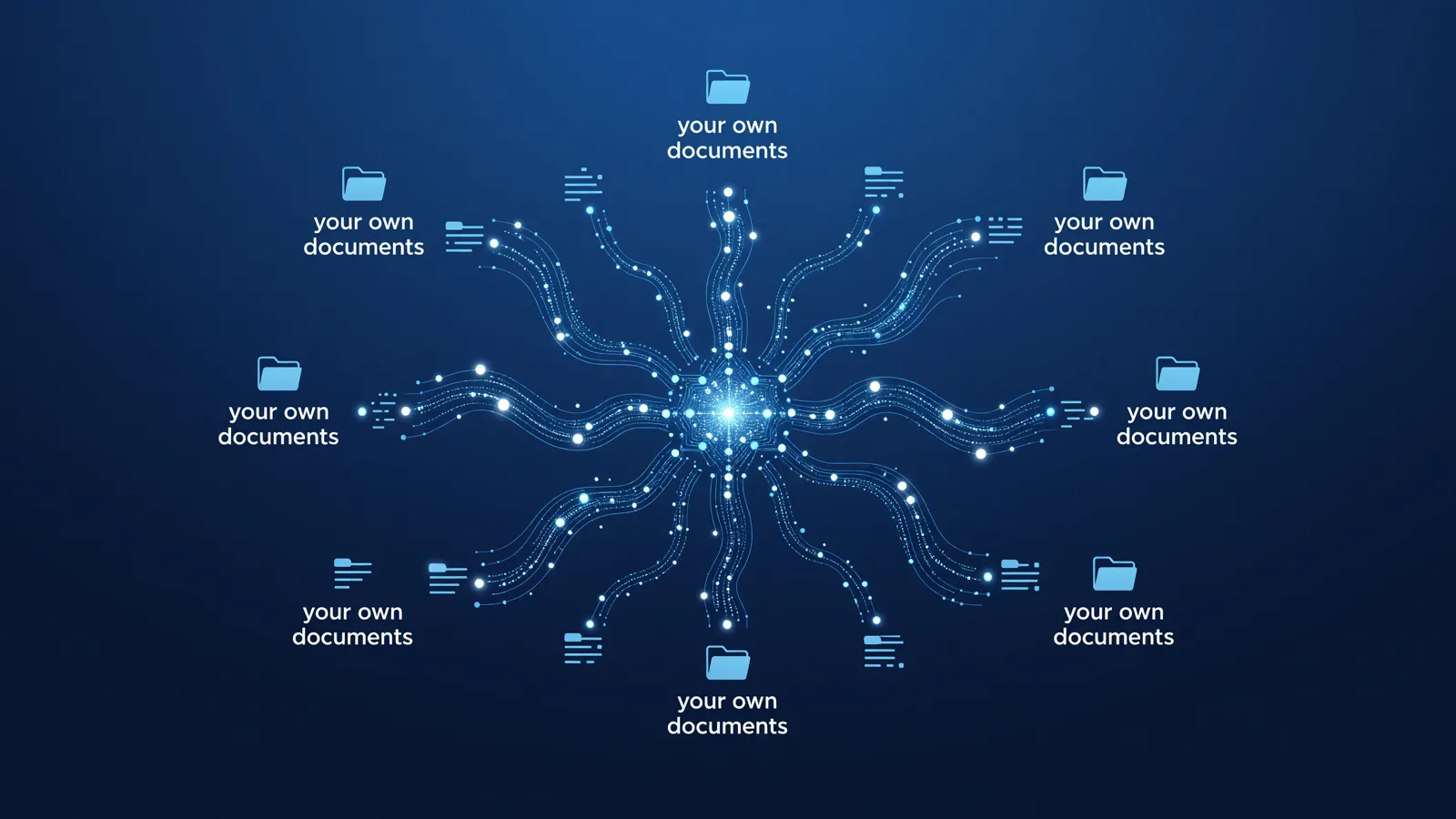
A standard Large Language Model (LLM) is trained on massive amounts of public data, but it knows nothing about your specific, internal documents. How do you ensure that an AI can read and understand your own notes, reports, or manuals? The answer is RAG, or Retrieval-Augmented Generation.
What is RAG?
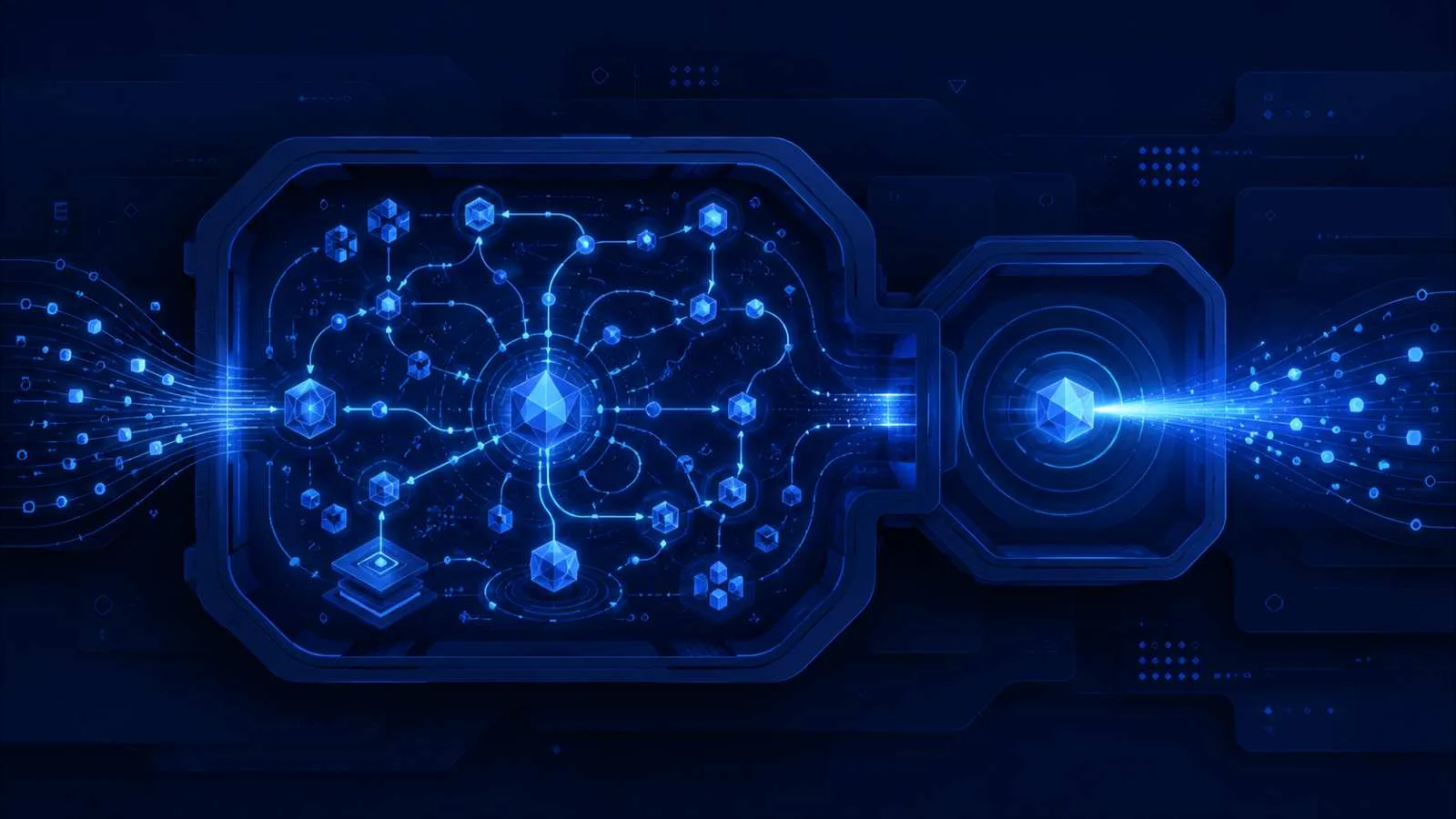
RAG is a technique where you first have an AI model search an external database containing your documents before it generates a response. Instead of relying entirely on the 'knowledge' built into the model, you literally feed the model the most relevant text fragments in the prompt. This reduces hallucinations and ensures that the AI answers factually and contextually correctly.
Embeddings and Vector Databases (Under the Hood)
To search smartly by meaning (instead of just exact keywords), we use embeddings. An embedding model converts sentences and paragraphs into a long sequence of numbers, or vectors. Texts with a similar meaning get number sequences that are mathematically close to each other in a virtual space.
You store these vectors in a vector database. When you ask a question, your question is also converted into such a vector. The database quickly searches for the stored vectors that are closest to it (vector search). This way, the system finds the right documents, even if you use slightly different words.
The Step-by-Step Plan
Practical Exercise: Designing Your Own Knowledge Base
Imagine: you have a hobby of keeping a large 450-liter tropical aquarium (for example, a Juwel Vision 450) and you have a large local folder full of PDF manuals, articles on cichlid behavior, and technical notes on using ozone systems to reduce water changes.
The assignment: Sketch on paper or in a text document what your RAG pipeline would look like to make all this aquarium knowledge searchable. Which framework (such as LangGraph or LangChain) would you use to parse your documents? And how do you ensure that a question about water parameters directly consults the correct PDF section on ozone use?
Want to know more about the underlying models you can use for generation after the retrieval step? Then check out our guide on LLM models and architectures.